
Tampa notes
Updated 5 sources
When Tampa properties get rekeyed
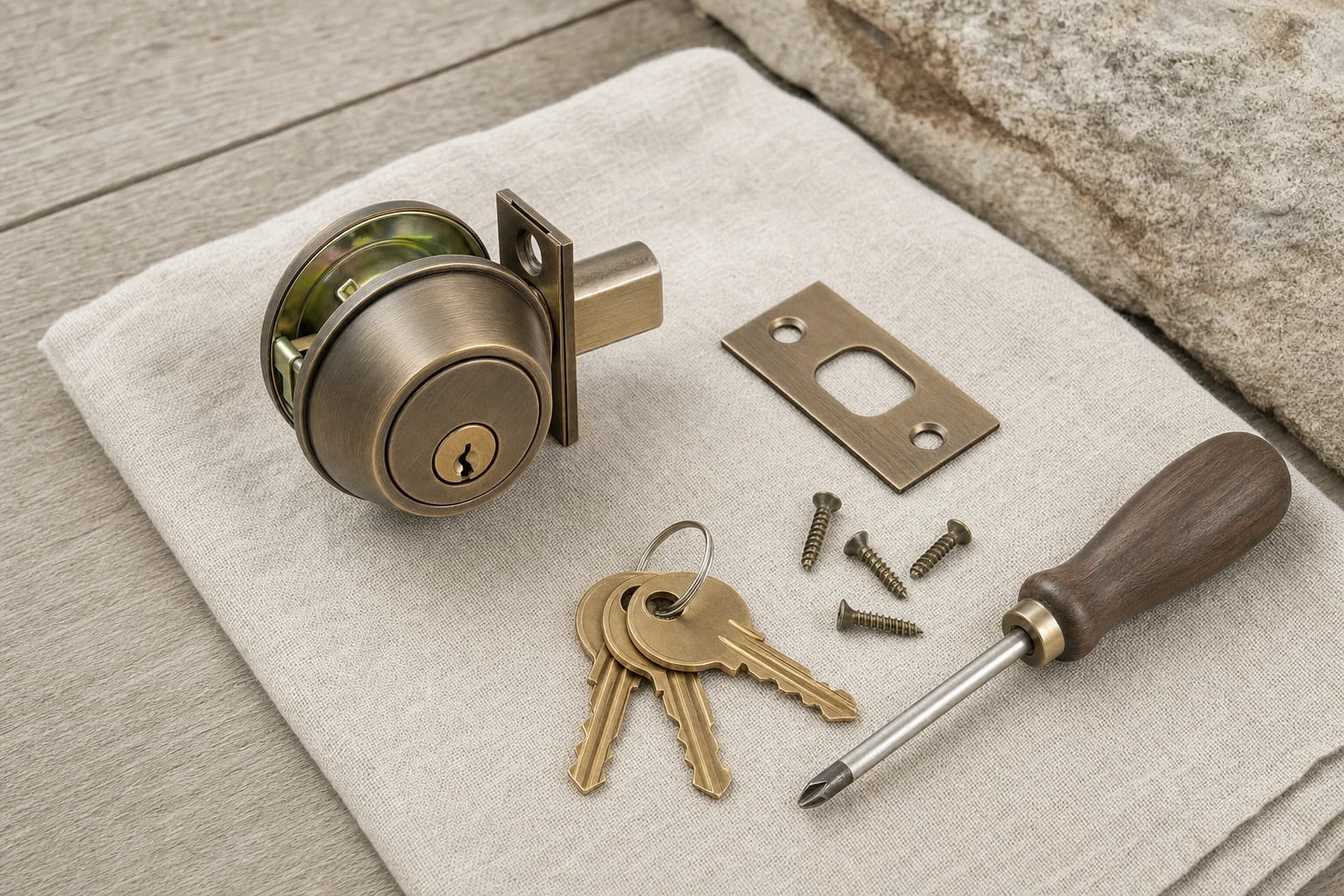
Rekeying changes the inside of an existing lock so the old keys stop working, while the lock body and handle stay as they are. Owners and renters are about evenly split in Tampa, and roughly 32 percent of occupied homes statewide are rented. Two moments stand out: a tenant moving into a unit, and a buyer taking over a house whose keys have passed through unknown hands.
Vacant property is a third. Tampa Code Sec. 19-233 requires vacant structures to be secured, with entrance doors nailed closed around the jamb and head and windows covered by plywood panels. Under the foreclosure registry rules, Sec. 19-137 requires vacant property with a mortgage in default to be kept locked and inspected weekly by a local property manager. Whoever reopens such a property may not know who held keys during the vacancy, which is a reason to rekey before moving in.
Keeping original hardware
The city's Seminole Heights design guidelines ask owners to keep original door hardware when possible. Because rekeying leaves the visible hardware untouched, it is one way to get new keys without changing how the door looks. It cannot fix a lock that is worn out or damaged; that is a job for lock replacement.
Landlords, tenants and lock changes
Part II of Chapter 83, Florida Statutes, governs residential tenancies. Unless the lease says otherwise in writing, section 83.51(2)(a) requires the landlord of a unit other than a single-family home or duplex to make reasonable provisions for locks and keys. Section 83.67(2) bars a landlord from keeping a tenant out by changing the locks. Section 509.211(5) requires apartment buildings regulated under Chapter 509 to log the issuance and return of every key to each unit, so ask how keys to yours are tracked. Read your lease for a clause on changing locks before you rekey. This is general information, not legal advice.
What to include in a request
Name the neighborhood and the nearest cross streets, how many locks or doors are involved and whether the hardware is original. Say whether you own, rent or manage the place. For the city overview, see Tampa.
At the door
What lock rekeying covers
Changing the pins inside your existing locks so old keys stop working, without replacing the hardware.
- An inspection of each lock to confirm it can be rekeyed
- Re-pinning each cylinder to work with a new key
- New keys cut for the rekeyed locks
ID and proof you may access the property are checked before any work.
Lock Rekeying in FloridaSources
Public records and references this page draws on. They are outside USA Locksmith Pros and open in a new tab.
- Tampa Code of Ordinances, Chapter 19 (Secs. 19-137, 19-233)library.municode.com (external site, opens in a new tab)
- City of Tampa: Seminole Heights Historic District Design Guidelinestampa.gov (external site, opens in a new tab)
- U.S. Census Bureau ACS 2024 1-year via Census Reporter, Year structure built, units in structure and tenure (B25034, B25024, B25003)api.censusreporter.org (external site, opens in a new tab)
- Florida Statutes Chapter 83, Landlord and Tenantleg.state.fl.us (external site, opens in a new tab)
- Florida Statutes 509.211, Safety regulations (apartment key logs)leg.state.fl.us (external site, opens in a new tab)